First run route
Tabletop Tavern Beginner Guide for Your First Clean Run
Learn what to watch in early battles, how to make safer recruit choices, when to spend upgrades, and how to pick map nodes without turning your first campaign into a mess.
- Focus
- First run
- Core skill
- Battle control
- Next goal
- Stable clears
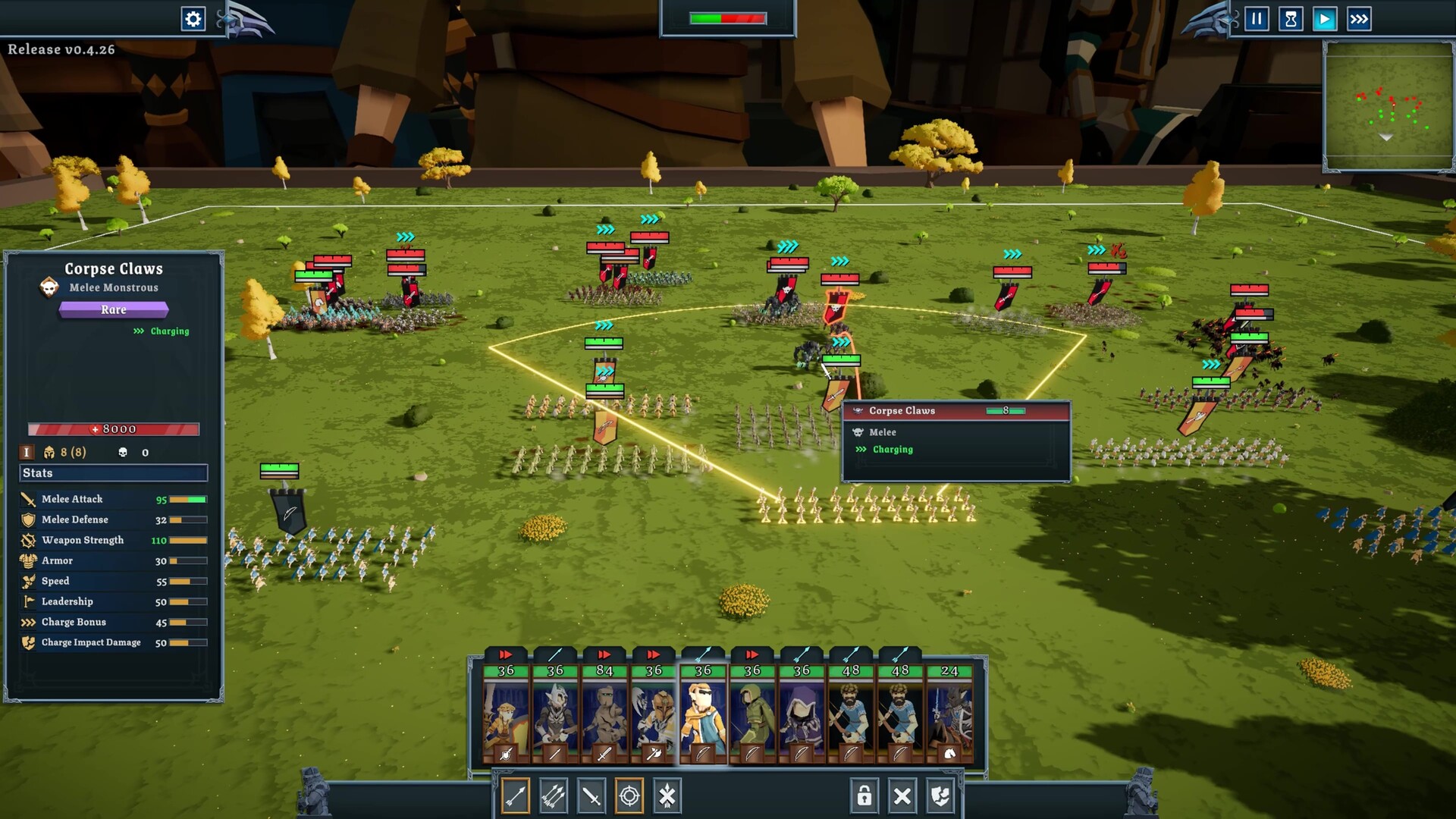
Quick answer
For your first run, chase stability before clever combos.
Tabletop Tavern rewards positioning, timing, synergy, terrain use, recruitment, gear, upgrades, and faction identity. A beginner run should help you see those systems clearly instead of rushing into strict achievement cleanup.
Hold a line first
Before chasing damage, make sure something can absorb pressure while your damage units work.
Add answers, not clutter
Recruit units that solve a problem you actually saw: cavalry pressure, flanks, fragile damage, or weak front line.
Spend to fix the next fight
Use gear and upgrades to patch the weakness that made the previous fight expensive.
Choose nodes by need
Pick fights for practice, shops for power, towns for recovery, and events when your roster can absorb risk.
First run route
Use the first campaign to build habits you can repeat.
A strong beginner route is not about forcing the rarest reward. It is about watching what happens when your line breaks, when cavalry reaches your back line, when a unit survives several fights, and when a map choice leaves you short on resources.
If a run starts badly, keep playing long enough to learn why. A lost fight can still teach you which unit role, upgrade, or node choice you need next time.
-
First fights: slow down and read roles
Watch which units hold, which units deal damage safely, and which enemies punish bad positioning.
-
Early recruit: solve one weakness
If the front line melts, add durability. If fights drag, add damage. If flanks hurt, add a response.
-
Mid run: protect your best unit
A unit that keeps surviving can become the anchor for prestige, kills, and safer late fights.
-
Late run: finish clean or gather notes
If the run can clear, play conservatively. If not, use it to test a map route or army idea before restarting.
Battle control
Win more early fights by watching the board, not only the cards.
Your beginner checklist is positioning, timing, synergy, terrain, anti-cavalry answers, and protecting fragile damage units from flanks.
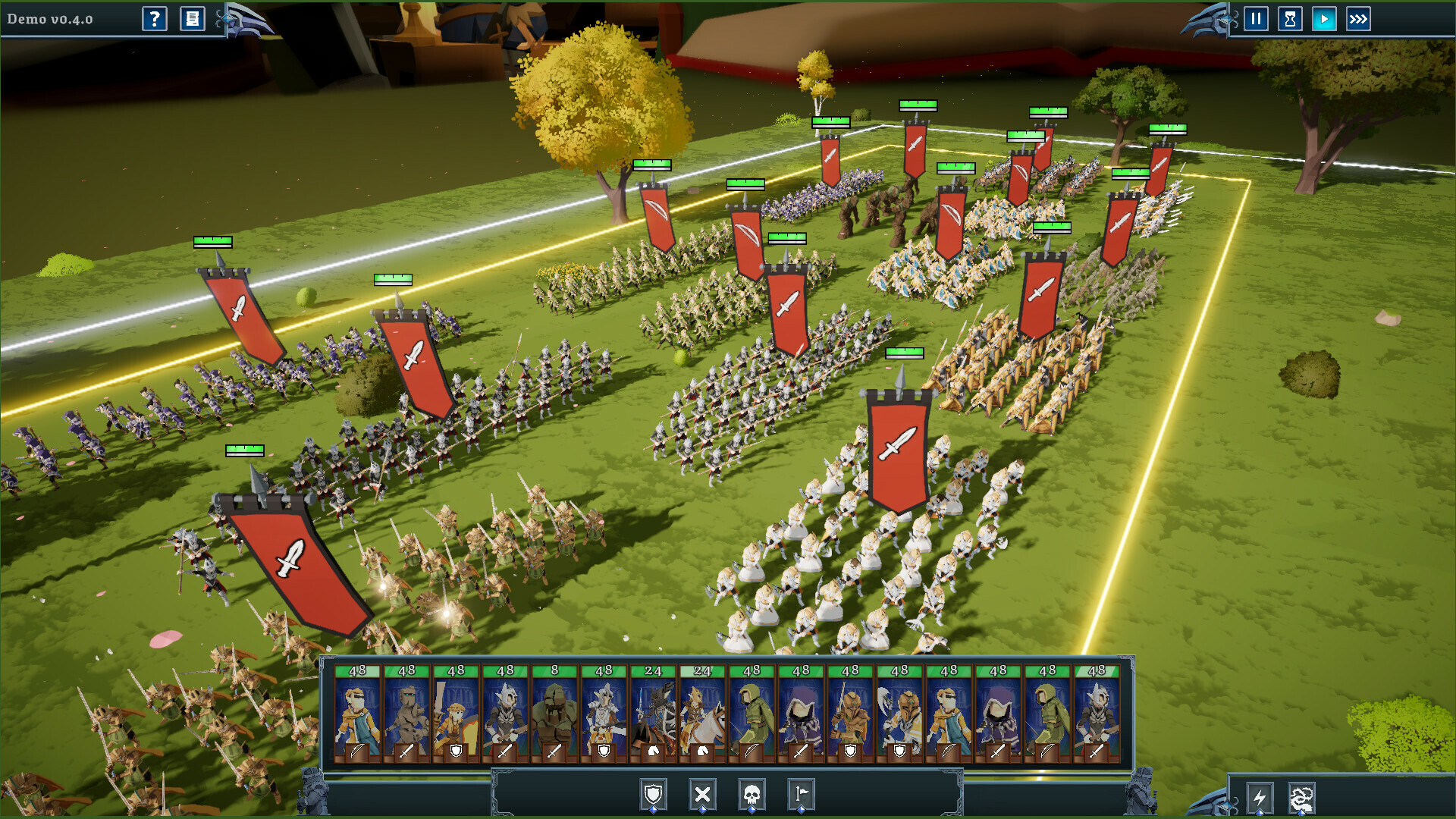
Front line
Put durable units where the first collision happens. If they fold, your whole plan becomes emergency control.
Damage line
Keep damage units working without exposing them to flank pressure too early.
Cavalry pressure
When a fight punishes your back line, your next roster choice should answer speed and angles.
Terrain
Use the map shape to reduce how many enemies hit you at once and to protect fragile units.
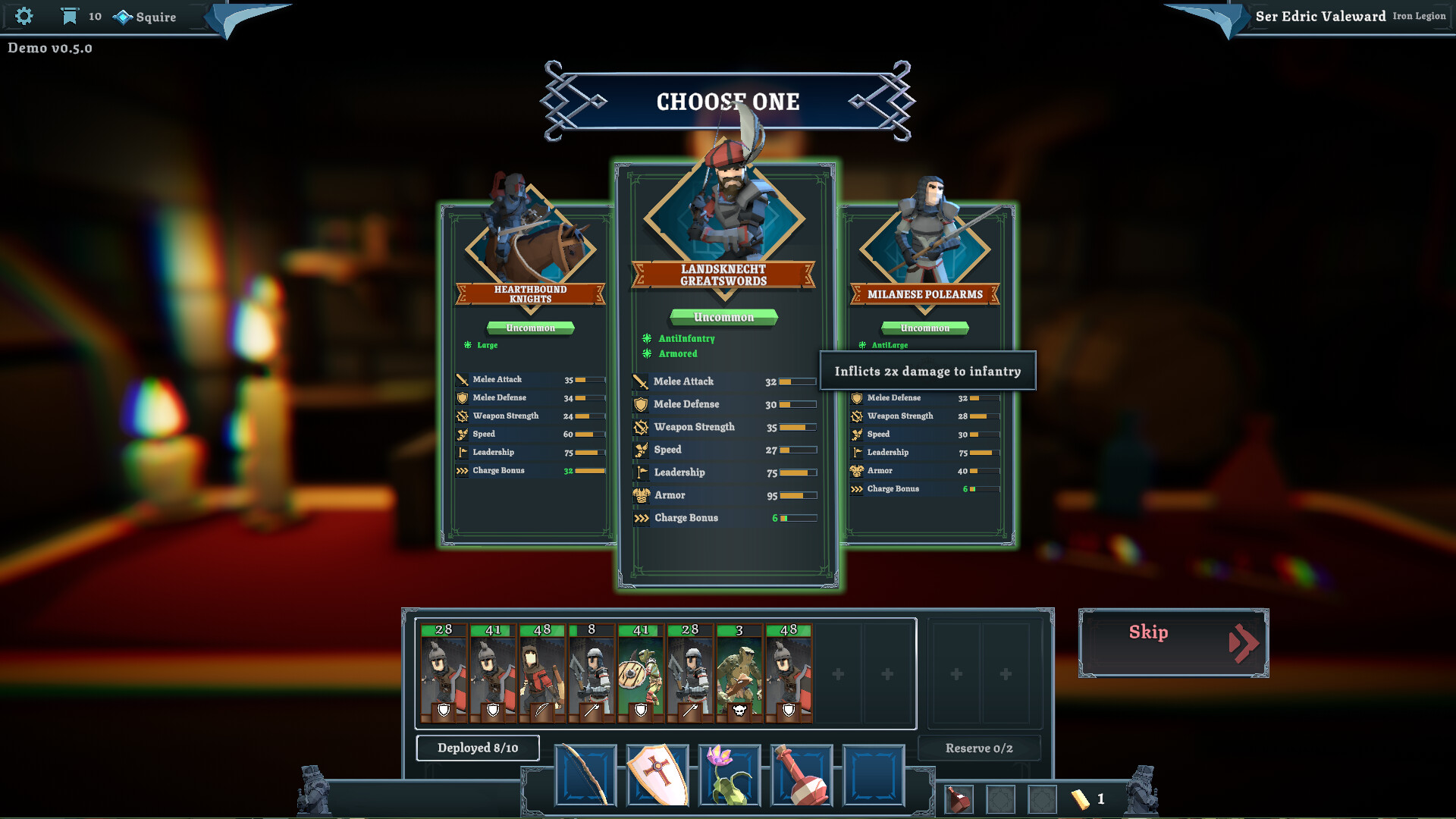
Recruit and upgrade choices
Pick the option that fixes your current run.
The safest beginner habit is to connect every purchase, recruit, or upgrade to a problem you can name. If you cannot name the problem, save the resource or take the simpler option.
| Problem you saw | Look for | Avoid | Why it helps |
|---|---|---|---|
| Front line collapsed | Durable infantry, defensive traits, protective gear | More fragile damage before the line holds | A stable front buys time for every other unit. |
| Fights took too long | Reliable damage and synergy with your current units | Random sidegrades that do not change the fight | Long fights create more chances for mistakes and losses. |
| Back line got flanked | A flank guard, faster response, or safer formation | Leaving archers or fragile units isolated | Protect fragile damage units before the enemy reaches them. |
| Cavalry punished you | Anti-cavalry answers and tighter positioning | Open layouts with no blocking plan | Match unit answers to the threat that broke your last formation. |
| You had too many options | One clear upgrade path for the unit already carrying | Spreading resources across units you barely use | A few reliable pieces teach more than a scattered roster. |
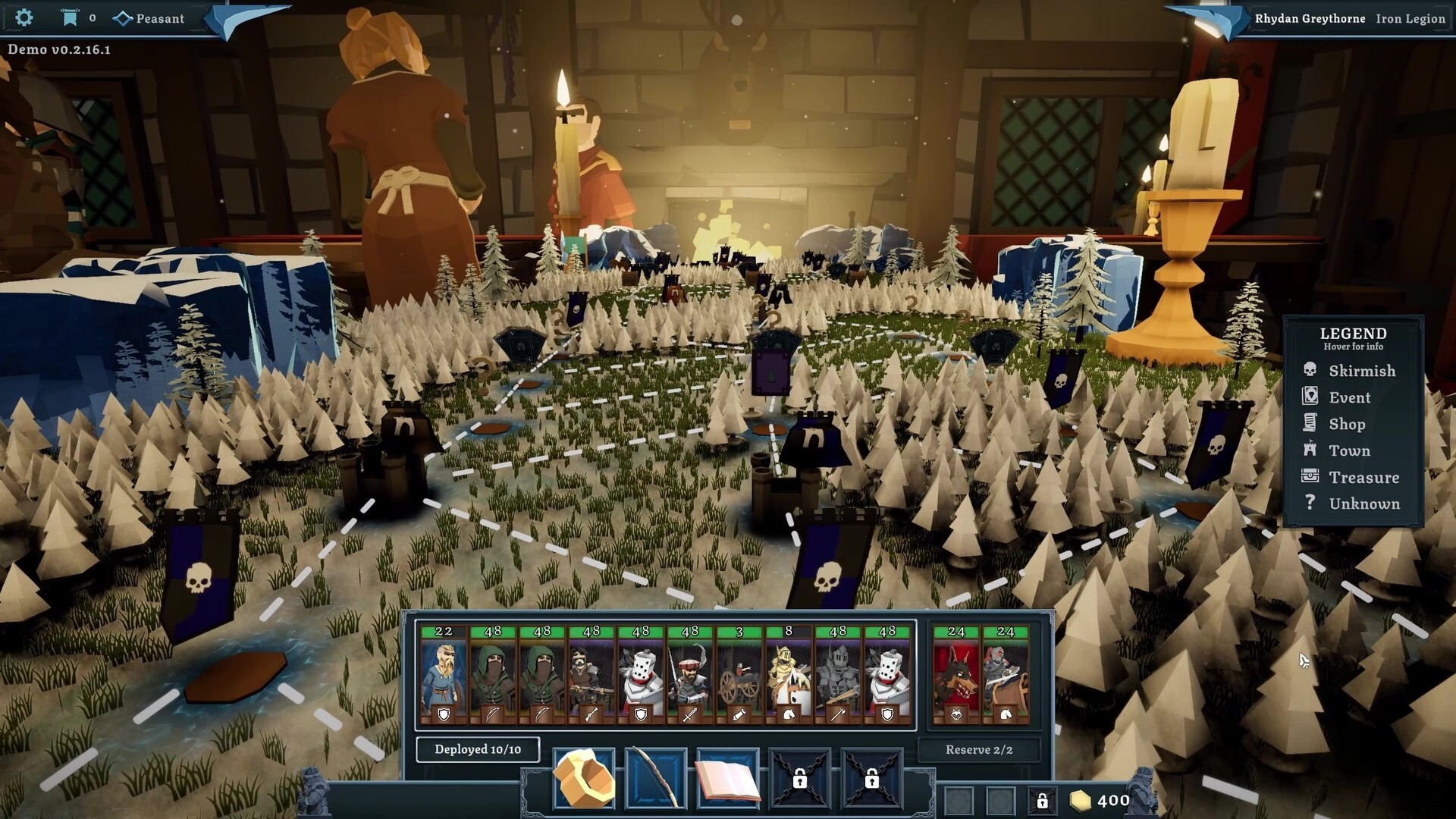
Campaign map
Pick the next node by what your army needs now.
The campaign map shows different node types such as skirmish, event, shop, town, treasure, and unknown. Beginners should use those choices to stabilize the run, not to chase every shiny detour.
Choose skirmish when you need practice
Early fights teach positioning and unit survival. Take them when the army can handle another test.
Choose shop when one problem is obvious
A shop is strongest when you already know whether you need durability, damage, gear, or a roster patch.
Choose town when the run needs breathing room
If the army is limping into the next fight, recovery and cleanup choices can matter more than greed.
Choose treasure when you can survive the route
Rewards are only useful if the army is strong enough to reach and use them.
Choose event when risk is acceptable
Events add uncertainty. Take them when your roster has room to absorb an awkward outcome.
Choose unknown when learning is the point
Unknown nodes can teach route variety, but avoid them when one more bad fight ends the run.
Beginner mistakes
Five habits that make early runs harder than they need to be.
None of these mistakes ruin the game, but each one hides the lesson your run is trying to teach you.
Buying before diagnosing
Do not spend just because the shop is open. First name the problem your next purchase should fix.
Ignoring flanks
A strong front line still loses value if fragile units are left exposed to side pressure.
Overfilling the roster
More units are not always better if you no longer understand who does what.
Chasing strict achievements too early
Restriction goals like no gear or no ranged units are cleaner after you understand normal campaign flow.
Restarting too fast
A shaky run can still show which fights, node choices, and unit roles cause trouble. Take the lesson before you reset.
Next steps
After your first stable run, start tracking cleanup.
Once you can explain why a run won or lost, you are ready to chase achievements without wasting attempts.
FAQ
Quick beginner answers.
What should I focus on in my first Tabletop Tavern run?
Focus on learning battle control, keeping units alive, building a balanced roster, and making map choices that solve your current weakness.
Should beginners chase achievements immediately?
Let early progress achievements happen naturally, but save strict restriction and collection goals for after you understand campaign flow and army roles.
What makes a good beginner roster?
A beginner roster should have a reliable front line, damage pressure, and a way to respond when cavalry, flankers, or terrain make a fight awkward.
When should I restart a bad run?
Restart after you can name what went wrong. If you only know that the run felt bad, play a little longer and watch which fight or map choice caused the collapse.